Deep Sea Fishing Punta Cana: What to Expect
The boat leaves just after sunrise, the resorts still quiet behind you, and within minutes the water turns from postcard blue to serious offshore color. That shift is exactly why deep sea fishing Punta Cana stands out – you can go from poolside vacation mode to chasing mahi, wahoo, tuna, and marlin in the same morning.
For travelers who want more than another beach day, this is one of the easiest ways to add real action to a Dominican Republic trip. It works for experienced anglers, but it also works for first-timers who want a guided offshore experience without sorting out every detail themselves. The key is knowing what kind of trip you are booking, what the season actually means, and where the value is.
Why deep sea fishing Punta Cana is so popular
Punta Cana has a major advantage for offshore trips – access. You do not need a long transfer between your hotel and the marina, and you do not need an all-day commitment to reach productive water. That makes this destination especially appealing for resort guests, couples, groups, and families trying to fit adventure into a vacation schedule.
The other big draw is variety. Depending on the month, conditions, and how far offshore the captain runs, you may target blue marlin, white marlin, mahi-mahi, wahoo, sailfish, barracuda, and different tuna species. No captain can promise a specific catch on any given day, and anyone who does is overselling it. What a good charter can offer is local knowledge, proper equipment, and a game plan based on current conditions.
That balance matters. Offshore fishing is exciting because it is never fully predictable. Some days are all about fast action and smaller pelagic fish. Other days turn into a patient hunt for one big strike. If your group is expecting an aquarium with hooks, it helps to reset expectations before you board.
What kind of trip should you book?
Not every charter is built for the same traveler. A half-day trip usually makes sense for first-timers, families with younger kids, or resort guests who want the experience without using up the whole day. You still get the offshore run, the trolling setup, and the chance at quality fish, but the pace is easier and the budget is lower.
A three-quarter-day or full-day trip is better if fishing is the main event. More time gives the captain options. If one area is slow, there is room to reposition. If the bite turns on later in the morning, you are still out there. Longer trips also tend to appeal to anglers hoping for larger game fish, although more time is never a guarantee.
Private charters are the best fit for travelers who want control over the experience. Your group sets the tone, whether that means serious fishing, a relaxed outing with friends, or something in between. Shared trips can cost less, but they are more dependent on group dynamics and timing. If convenience and flexibility are priorities, private is usually the stronger choice.
Best season for deep sea fishing in Punta Cana
One of the advantages of booking offshore in this part of the Dominican Republic is that fishing happens year-round. There is no single perfect month for everyone because the best timing depends on what you want to target.
Marlin fishing gets the most attention, and for good reason. Blue marlin activity is often strongest from spring into summer, while white marlin and sailfish can also show well in seasonal windows. Mahi and wahoo can be productive in different months, and tuna opportunities shift with migration patterns and water conditions.
This is where practical planning matters more than broad claims. If your vacation dates are fixed, book the best available charter for that time of year instead of chasing a “perfect season” headline. A skilled local crew adjusts to the month, the water, and the weather. If your dates are flexible and you have one species in mind, ask which months give you the best chance rather than assuming all offshore fishing is the same year-round.
What a typical offshore day looks like
Most charters start with hotel pickup or a meet-up near the marina, followed by a short briefing before departure. Once on board, the crew usually handles the setup, lines, bait, and positioning. For many guests, that is part of the appeal. You get the thrill of the sport without needing to bring technical offshore experience with you.
The run out can be calm and scenic or a little bumpy depending on the day. That is normal. If anyone in your group is sensitive to motion, taking precautions before boarding is a smart move. Even travelers who feel fine on catamarans sometimes discover that offshore trolling is different.
Once the lines are in, the rhythm shifts. There may be stretches of waiting, then sudden action when a reel starts screaming. On some trips the crew rotates turns so everyone has a chance on the rod. On others, the more enthusiastic anglers take the lead. It is worth confirming how the captain typically handles that if you are traveling with a mixed group.
How to spot a charter worth booking
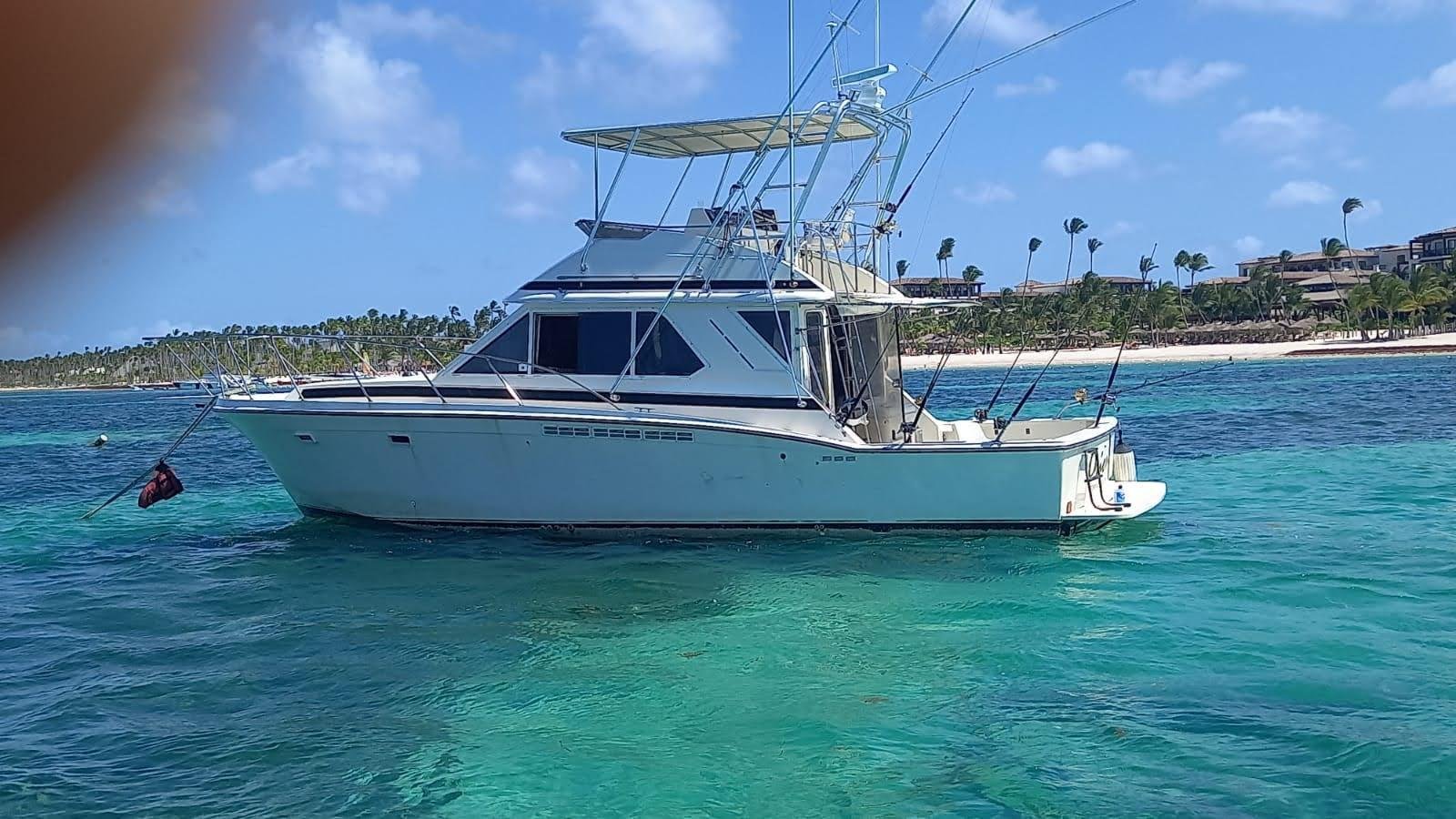
The best offshore trip is not always the cheapest listed price. Value comes from the overall setup – condition of the boat, experience of the captain and crew, equipment quality, what is included, and how clearly expectations are explained before you pay.
A reliable operator should be upfront about trip duration, group size, pickup options, onboard inclusions, and cancellation terms. That clarity is especially useful in Punta Cana, where many travelers are booking around resort schedules, airport transfers, and pre-planned excursions. If a listing is vague, it usually creates confusion later.
Reviews matter too, but read them for patterns rather than one dramatic comment. Consistent mentions of a professional crew, good communication, smooth transportation, and honest expectations are more useful than a single photo of a trophy fish. Offshore success depends on variables nobody controls, but service quality is still very visible.
This is where a destination-focused provider can make the process easier. Companies like JacTravel Group appeal to travelers who want fishing, transfers, and other excursions handled through one trusted source rather than juggling multiple bookings across a short vacation.
Pricing, inclusions, and the real trade-offs
Deep sea fishing prices in Punta Cana vary based on boat size, trip length, and whether you book private or shared. In general, half-day trips are the entry point, while full-day private charters cost more but offer a better shot at a fuller experience.
It is worth paying attention to what is included. Some charters bundle drinks, basic snacks, gear, crew support, and transportation. Others keep the headline price lower and add costs elsewhere. Neither model is automatically better, but travelers comparing options should look beyond the first number.
There is also a trade-off between comfort and pure fishing focus. Some boats are set up to feel more social and vacation-friendly. Others are more practical fishing machines. If your group includes non-anglers, comfort and shade may matter as much as rod setup. If everyone is serious about the catch, the priorities shift.
Is it good for beginners, couples, or families?
Yes, but not in exactly the same way for every group. Beginners often do well on shorter charters with an experienced crew that gives clear guidance. You do not need to know the technical side of trolling to enjoy the experience. You just need a boat with patient staff and realistic expectations.
Couples often book offshore fishing as a different kind of vacation memory – less about checking a box and more about sharing something active and memorable. If that sounds like your style, a private trip gives you more freedom and less noise.
Families can absolutely enjoy it too, especially with older kids or teens who like hands-on adventure. The main question is stamina. Offshore sun, motion, and waiting time can test younger children. If your family wants something easier, a shorter trip is often the smarter call than pushing for a full day.
What to bring and what to leave to the crew
Most charters provide the core fishing gear, tackle, and local know-how. What you should bring is simpler – sunscreen, sunglasses, a hat, comfortable boat-friendly clothing, a phone or camera, and any motion sickness medication you may need.
Do not overpack. Offshore boats are better when everyone brings only what they actually need. Soft bags are usually easier than bulky luggage, and valuables should stay minimal. If you are hoping to keep fish or arrange preparation afterward, ask in advance how that works. Policies vary by charter and by species.
A smart way to book deep sea fishing Punta Cana
The best booking decision usually comes down to fit, not hype. Choose the trip length that matches your group, the boat setup that matches your comfort level, and the operator that communicates clearly before the trip begins. If you do that, you are already ahead of most vacation bookings.
Punta Cana makes offshore fishing unusually accessible, which is exactly why it keeps earning a place on so many travelers’ must-do lists. You can spend the afternoon back at your resort, but the story people remember is usually the one that started offshore, with the line snapping tight and everybody on board suddenly wide awake.