When Is Whale Watching Best in the Dominican Republic?
Each winter, thousands of humpback whales arrive in the warm waters off the Dominican Republic to breed, court, and raise their young. If you are asking when is whale watching at its best, the answer is simple: plan for Samaná’s humpback season, generally from mid-January through the end of March.
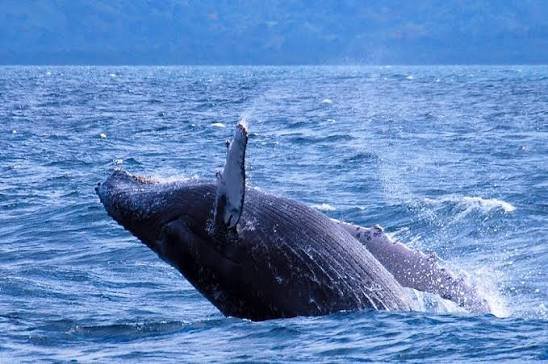
This is one of the Caribbean’s most memorable wildlife experiences. A good day on the water can bring the sudden splash of a breach, the slap of a powerful tail, or the unforgettable sight of a mother guiding her calf through the bay. Because the season is limited, timing your vacation well makes all the difference.
When Is Whale Watching Season in Samaná?
The main whale watching season in the Dominican Republic runs from approximately January 15 through March 31. During these months, North Atlantic humpback whales migrate from colder northern feeding grounds to the protected waters around the Samaná Peninsula.
February is often considered the strongest month for sightings because many whales are already in the area, including mothers with calves, males competing for attention, and groups moving through the sanctuary. January and March can also be excellent choices, especially for travelers who prefer slightly more flexibility with hotel rates, flights, and excursion availability.
Wildlife does not follow a clock, so no responsible operator can promise a particular behavior or a whale beside the boat. Still, booking within the official season gives you the best possible chance of seeing humpbacks in their natural habitat.
Why the whales come to Samaná
Samaná Bay and the surrounding marine sanctuary offer warm, sheltered waters that are well suited to humpback breeding and calving. The Dominican Republic protects these waters as part of the Sanctuary for Marine Mammals of the Dominican Republic, an important area for whales and other marine life.
The result is a seasonal gathering that draws visitors from around the world without requiring a long-haul expedition. For travelers staying in the Dominican Republic, it is a rare opportunity to see one of the ocean’s largest animals during a vacation already filled with beaches, culture, and adventure.
The Best Month for Whale Watching
If your travel dates are flexible, choose February. It sits in the heart of the season and usually offers the widest window for whale watching tours from Samaná. The boats are active, the whales are established in the area, and the destination has a lively seasonal energy.
That said, the best month depends on the type of trip you want. January is a smart fit for early-season travelers, winter sun seekers, and guests combining whale watching with a longer Dominican Republic itinerary. March can be ideal for families traveling during school breaks or couples looking for an end-of-winter escape.
Weather and sea conditions matter as much as the calendar. Morning departures often provide calmer water before afternoon winds build, although conditions can change. Tour captains monitor the forecast and make safety decisions based on the day, not just the season. If the sea is rough, a reschedule can be far better than forcing an uncomfortable ride.
Where to Go Whale Watching in the Dominican Republic
Samaná is the country’s premier whale watching destination. Tours commonly depart from Samaná town and nearby points on the peninsula, putting guests close to the waters where humpbacks gather each year.
For travelers based in Las Terrenas, Las Galeras, or Samaná, the experience is especially easy to add to a vacation plan. You can combine your outing with a scenic drive, a beach day, or a visit to places such as El Limón Waterfall, depending on your schedule.
Visitors staying in Punta Cana, Bayahibe, La Romana, Santo Domingo, or Puerto Plata can still plan a whale watching day, but transportation time needs honest consideration. From Punta Cana, for example, Samaná is usually a full-day commitment. It is worth it for many travelers, but an early departure and a long return journey may not suit young children, guests prone to motion sickness, or anyone looking for a relaxed half-day activity.
For the smoothest experience, consider spending at least one night on the Samaná Peninsula during whale season. You will have more flexibility if weather affects your tour and more time to enjoy this greener, quieter side of the Dominican Republic.
What You May See on a Whale Watching Tour
Humpbacks are famous for dramatic surface behavior, but every outing is different. You may see a whale breach completely out of the water, repeatedly slap its pectoral fins, lift its fluke before diving, or travel with a small group near the boat.
Mother-and-calf pairs are often a highlight later in the season. Calves may surface frequently as they build strength for the long journey north. Adult whales can also be spotted resting, socializing, or moving through the bay with purposeful calm.
The most rewarding tours treat the encounter with patience. A captain may slow down, change position, or wait quietly rather than chase an animal. That approach is better for the whales and usually better for guests, who get time to watch natural behavior instead of a rushed photo opportunity.
You may also spot seabirds, flying fish, and the dramatic coastline of the Samaná Peninsula. Keep expectations focused on the complete experience: fresh sea air, open water, expert guidance, and the possibility of an extraordinary wildlife moment.
How to Prepare for Your Day on the Water
Whale watching is easy to enjoy when you pack for sun, spray, and changing conditions. Wear light clothing, bring a hat that will stay secure in the wind, and use reef-conscious sunscreen before boarding. Polarized sunglasses can reduce glare and make it easier to scan the water.
If you get motion sick, take your preferred remedy before the boat leaves the dock, following its directions. Do not wait until you feel ill. Eat a light breakfast, stay hydrated, and choose a seat where you can look toward the horizon instead of down at your phone.
Bring a phone or camera, but do not spend the entire trip viewing the ocean through a screen. Breaches happen quickly, and photos are never guaranteed. A few pictures are wonderful; being present when a whale surfaces nearby is even better.
Families should check the tour’s age guidance, duration, and transfer details before reserving. A shorter boat ride may be best for younger children, while older kids and teens often love the anticipation of scanning the horizon and spotting the first spout.
Booking Tips for Whale Season
Whale watching dates are among the most popular excursion days in Samaná, especially in February and around holiday weekends. Reserve ahead once your travel plans are confirmed, particularly if you need hotel pickup, a private option, or a specific morning departure.
At the same time, leave room for nature. Book early in your stay when possible, rather than on your final vacation day. If weather requires a cancellation or change, you will have a better chance to move your excursion to another date.
Read what is included before you book. Transportation, boat time, guide service, drinks, meals, and stopovers can vary by tour. A lower price may be appealing, but a well-organized excursion with clear pickup details, safety standards, and helpful support can make a long day feel easy from start to finish.
JacTravel Group can help travelers pair a Samaná whale watching tour with transfers and other Dominican Republic experiences, so your day is planned around the fun rather than the logistics.
Whale season is short, but the memory has a long life. Choose a date between mid-January and late March, give yourself a little flexibility, and let Samaná’s winter visitors turn an ordinary beach vacation into a story you will be excited to tell back home.