Dominican Diving: Where to Go and What to Expect
The water changes character the moment you leave the Dominican Republic shoreline. One morning might bring a calm, shallow coral garden filled with parrotfish; the next can put you above a wreck with schools of silvery fish moving through its open structure. Dominican diving offers that range without requiring travelers to build an entire vacation around scuba. For resort guests, couples, families with certified divers, and adventure groups, it is an easy way to add a memorable offshore experience to a beach stay.
The best choice depends on where you are staying, your certification level, sea conditions, and the kind of underwater day you want. Punta Cana is convenient for east-coast resort travelers, while Bayahibe and La Romana are often the stronger pick for clear Caribbean water, reefs, and famous wreck sites. The right operator handles the boat logistics, equipment, briefing, and local knowledge so you can focus on the experience.
Where Dominican Diving Delivers the Most
Bayahibe and La Romana: Reefs, Wrecks, and Calm Water
For many travelers, Bayahibe is the standout base for scuba diving in the Dominican Republic. Its Caribbean-facing location often brings calmer conditions and excellent visibility, particularly compared with the more exposed Atlantic side. The area is well suited to certified divers who want colorful reefs, gradual slopes, and wreck exploration within a manageable boat ride.
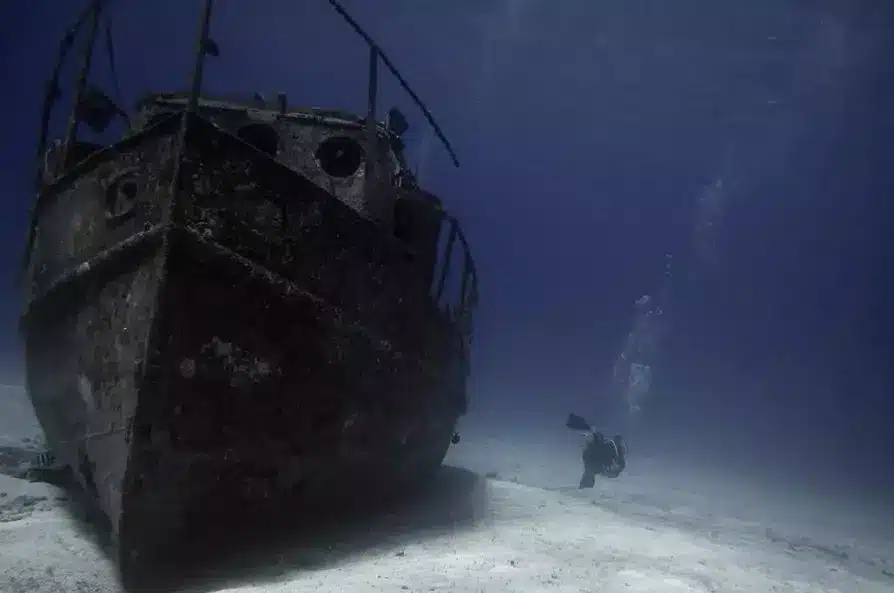
The St. George wreck is a major draw near Bayahibe. This intentionally sunk freighter has become a living structure for marine life, with large schools of fish around the exterior and opportunities to view its dramatic profile from different depths. It is generally best for divers with the appropriate training and comfort in deeper water. Your guide will confirm whether the day’s conditions and your experience make it a suitable choice.
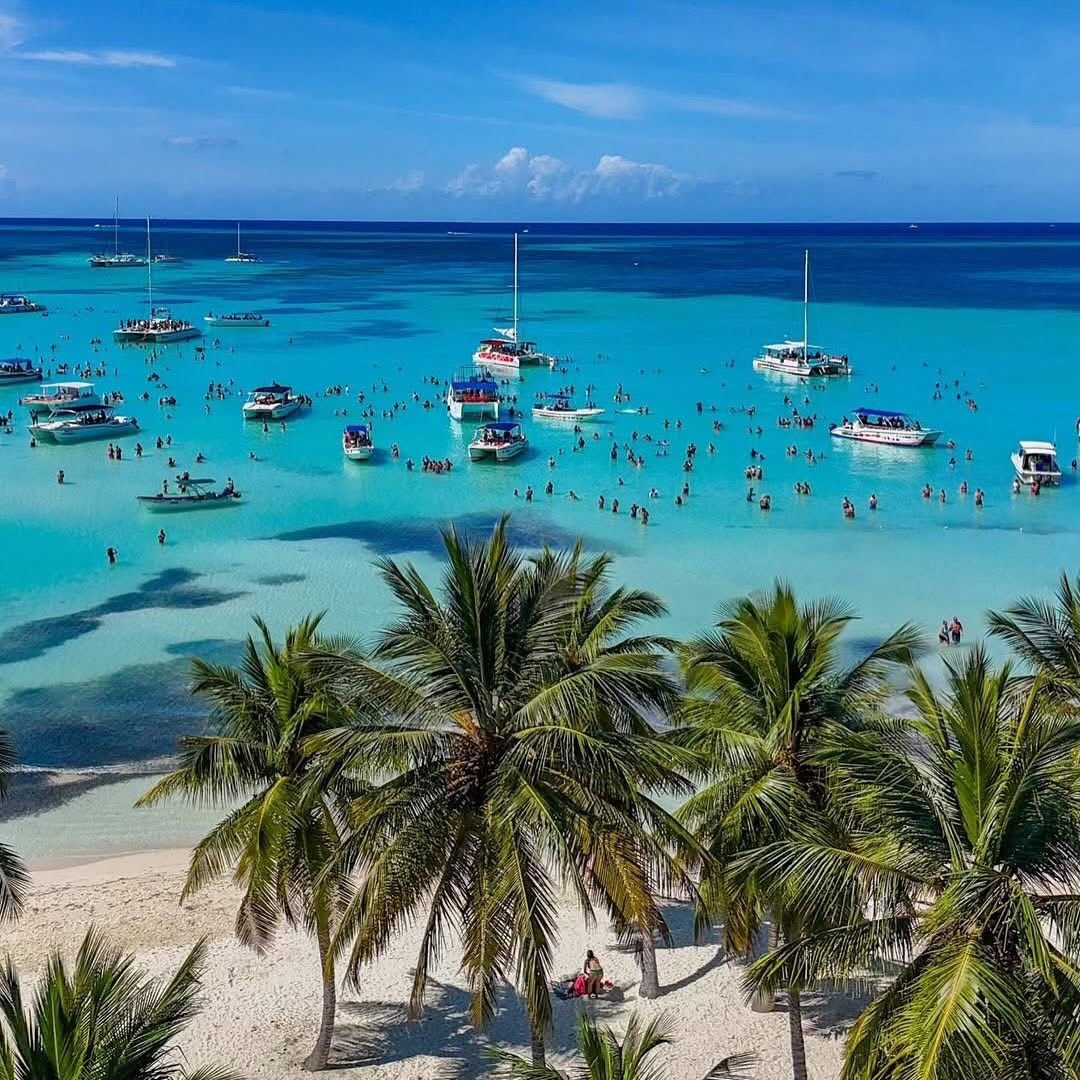
Bayahibe also puts travelers close to Saona Island and the waters around Cotubanamá National Park. While an island day trip and a dedicated dive trip are different experiences, combining both during a longer stay gives you two very distinct views of the Dominican coast – one above the water, one below it.
Punta Cana: Easy Access from the Resort Zone
Punta Cana is ideal when convenience matters most. Many visitors want to spend their morning underwater and still be back at their resort for an afternoon by the pool, a spa appointment, or dinner plans. Local dive sites can include reef formations, sandy bottoms, and coral-covered structures that appeal to new divers and guests looking for a relaxed introduction to the Caribbean.
Conditions on the east coast can vary more with wind and current, so flexibility is part of planning a great trip. A responsible dive team may recommend a different site, departure time, or even another day if the ocean is not cooperating. That is not a compromise in service – it is good decision-making. Safety, visibility, and comfort should always lead the plan.
Punta Cana also works well for travelers who are not ready for a full scuba experience. Discover scuba sessions, snorkeling excursions, and underwater scooter activities can give first-timers a close look at marine life with less training and a shorter commitment.
Puerto Plata and Samaná: Atlantic-Side Variety
Puerto Plata and Samaná offer a different coastal setting, with Atlantic conditions that can be lively, scenic, and rewarding for divers who enjoy variety. Site availability can be more seasonal and weather-dependent, especially during periods of stronger swell. These regions are worth considering for travelers staying on the north coast or those building a multi-stop Dominican Republic itinerary.
Samaná is especially known for seasonal whale watching, which is an above-water adventure rather than a scuba activity. If you visit during humpback season, it can make sense to reserve separate days for whale watching and diving rather than trying to pack too much into one outing. Good vacation planning leaves room for the sea to set the pace.
Choosing the Right Dominican Diving Experience
A great excursion starts with an honest match between the activity and the traveler. Certified divers should bring or confirm their certification details in advance, especially if they want wrecks, deeper sites, or multiple-tank trips. If you have not dived recently, tell the operator. A refresher, an easier first site, or a private guide can make the day more enjoyable and more comfortable.
Beginners should not assume scuba is out of reach. Many dive centers offer introductory experiences in shallow water under direct professional supervision. These programs are designed for people who want to try breathing underwater before committing to a certification course. You will receive a briefing, learn essential skills, and stay with an instructor throughout the experience.
Families often need a split plan. One adult may want a certified two-tank dive while teens or non-diving partners prefer snorkeling, beach time, or an island excursion. In that case, booking through one destination-focused travel partner makes coordinating the day much easier. Ask about age requirements, non-diver boat spaces, pickup times, and whether activities can run from the same marina.
What You May See Underwater
No responsible operator can promise a specific animal on a specific day, but Dominican waters offer plenty of reasons to keep looking beyond the reef edge. Divers commonly see parrotfish, trumpetfish, sergeant majors, angelfish, butterflyfish, barracuda, moray eels, rays, and schools of jacks. Coral formations, sponges, sea fans, and sandy channels create an underwater landscape that changes from site to site.
Wreck dives add another layer of interest. Instead of chasing marine life through open reef, you are observing how fish and coral claim a man-made structure over time. Photographers often enjoy the contrast between the wreck’s lines and the movement of fish around it. That said, wrecks are not automatically the best choice for every diver. Depth, current, overhead environments, and personal confidence all matter.
When to Go and What to Bring
The Dominican Republic is a year-round destination, and diving operates through much of the year. Water temperature is generally warm, though a light wetsuit may be welcome depending on the season, depth, and your personal comfort. Visibility and surface conditions change with location, weather, and recent rain, so the most accurate site advice comes close to your travel date.
Bring your swimsuit, a towel, reef-safe sun protection for before and after the dive, and a dry change of clothes for the ride back. If you use prescription lenses or have your own mask, mention it during booking. Certified divers who prefer their own equipment can ask what is practical to bring, but most vacation divers appreciate the ease of properly maintained rental gear.
Avoid alcohol before scuba, stay hydrated, and follow the crew’s instructions about flying after diving. This final point is especially important for guests planning an airport transfer or a quick departure after their excursion. Your dive schedule should leave the recommended surface interval before a flight, and it is wise to plan your dive days earlier in the vacation whenever possible.
Book With the Details That Matter
The lowest advertised price is only one part of a good dive booking. Check what is included: transportation from your hotel, equipment, instructor or guide, marine park fees where applicable, refreshments, and the number of dives. Confirm the departure point, total duration, minimum age, certification requirements, and cancellation policy before you reserve.
JacTravel Group helps travelers compare Dominican Republic experiences by destination, making it easier to pair a diving day with transfers, island trips, fishing charters, nightlife, or other activities already on your vacation list. For last-minute planners, availability can change quickly, especially during peak travel periods, so reserving early gives you more choice in departure times and experience levels.
The best Dominican diving day is not necessarily the deepest site or the most advanced wreck. It is the one that fits your skills, your vacation schedule, and the conditions the ocean offers that morning – leaving you with salt in your hair, a camera full of color, and a story that feels far bigger than a day at the resort.