Snorkeling Versus Scuba Diving Trips Compared
The Caribbean can look completely different from just below the surface. A bright reef, a school of blue tangs, a sea turtle gliding past the boat – these moments are why travelers compare snorkeling versus scuba diving trips before booking a Dominican Republic excursion. Both bring you close to the underwater world, but they offer very different levels of access, preparation, cost, and adventure.
If your vacation schedule includes only one day on the water, the best choice comes down to how you want to experience it. Do you want an easy, sun-filled island outing that everyone in your group can enjoy? Or are you ready to breathe underwater and spend more time exploring reefs, wrecks, and deeper marine habitats?
Snorkeling Versus Scuba Diving Trips: The Core Difference
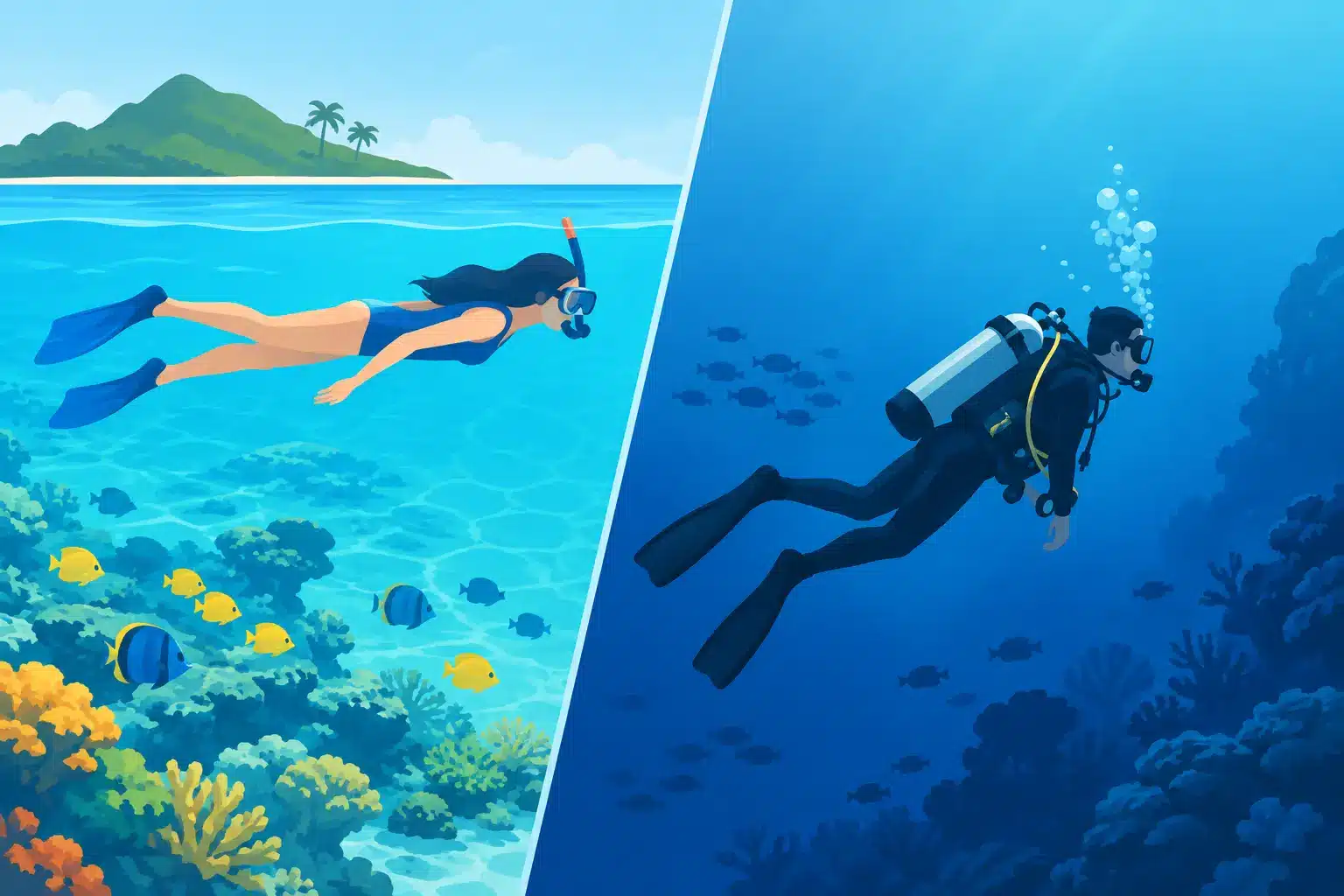
Snorkeling happens at the surface. You wear a mask, snorkel, fins, and usually a flotation vest, then look down into the water while breathing through the tube. It is simple to learn, requires no prior certification, and works well as part of a beach day, catamaran cruise, or island trip.
Scuba diving uses a tank, regulator, buoyancy device, weights, and other specialized gear that let you breathe underwater. Rather than observing the reef from above, you descend alongside it. Certified divers can visit deeper sites, while first-time guests may be able to join a guided introductory experience after a briefing and skills session, subject to the operator’s requirements.
That difference in depth changes nearly everything. Snorkelers see sunlight shimmering across shallow coral gardens and may spot fish, rays, and turtles near the surface. Scuba divers can hover at eye level with reef walls, examine coral formations more closely, and access sites beyond the reach of a snorkel.
Choose Snorkeling for Easy, Social Island Time
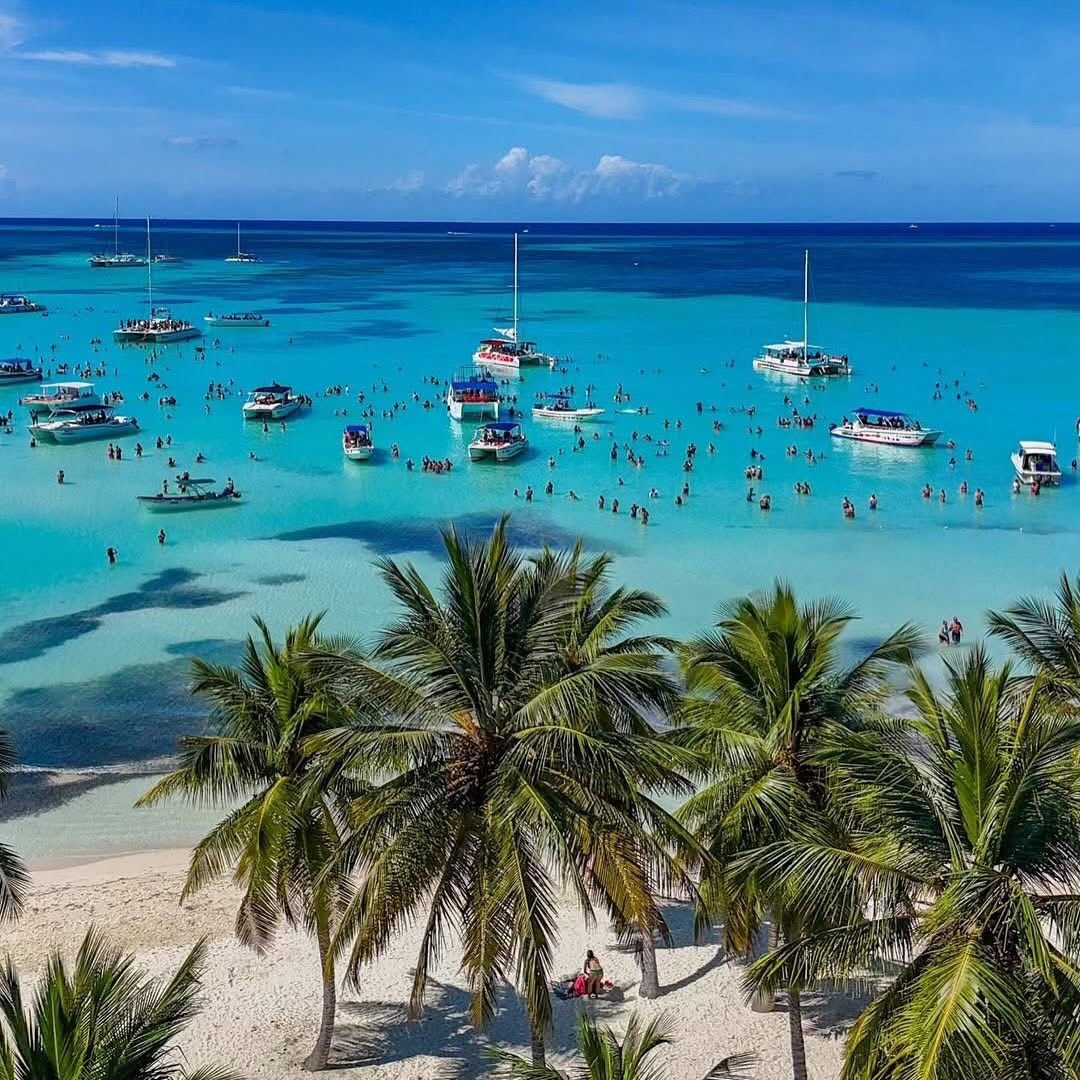
For many Dominican Republic visitors, snorkeling is the strongest fit because it delivers a memorable marine experience without making the entire day about technical activity. It is especially popular on trips to Catalina Island, Saona Island, and coastal reef areas near Punta Cana, Bayahibe, La Romana, Puerto Plata, and Samaná.
A typical snorkeling excursion often combines several vacation favorites: hotel pickup or a convenient meeting point, a scenic boat ride, time in clear water, drinks or lunch, music, and a beach stop. You can spend part of the day in the water and still relax on white sand, take photos, or enjoy the ride with friends and family.
Who snorkeling suits best
Snorkeling is usually the more accessible option for first-time Caribbean visitors, families with older children, mixed-age groups, and travelers who are not confident swimmers but are comfortable in the water with a flotation vest. It also works well for couples who want a beautiful shared experience without committing to a full diving course or a long pre-trip preparation process.
You do not need to be an elite swimmer, but you should be honest about your comfort level. Ocean conditions can change with wind, current, and waves. A good crew provides a safety briefing, properly fitted gear, flotation support, and clear instructions about staying near the guide or boat.
The trade-off is that surface conditions matter more. If the water is choppy, visibility from above can be less comfortable, and your view is limited by how far you can look down. Snorkeling also gives you less time and less control around marine life than scuba diving. You are a visitor looking in, rather than moving through the reef itself.
Choose Scuba for a Closer Underwater Adventure
Scuba diving is for travelers who want the underwater world to be the main event. Once you are calmly breathing below the surface, the experience becomes quieter and more immersive. Fish that appear small from a boat can surround you. Coral structures reveal texture and color. A reef wall or shipwreck can feel like an entirely separate landscape.
The Dominican Republic offers a range of diving environments, from sheltered bays and shallow training sites to reef formations, caverns, and wrecks. Bayahibe and La Romana are well known among divers for clear water and nearby island reefs, while Punta Cana, Samaná, and Puerto Plata offer their own seasonal and regional opportunities.
Certified divers and first-time divers have different options
If you already hold an accepted scuba certification, booking a guided fun dive is usually straightforward. You will still complete paperwork, show proof of certification, discuss your recent diving experience, and receive a site briefing. The dive team selects locations based on conditions, your certification level, and the group’s experience.
If you have never dived before, look for a discover scuba or introductory diving experience rather than assuming you can join any scuba boat. These programs normally begin with a safety and equipment briefing, followed by basic skills in shallow water under close instructor supervision. They can be an exciting way to try scuba on vacation, but they are not the same as becoming certified.
Scuba asks more from you than snorkeling. You need to equalize pressure in your ears, stay calm with a regulator in your mouth, follow hand signals, and maintain awareness of your air supply and depth. Certain medical conditions, recent illnesses, pregnancy, ear problems, or respiratory concerns may mean you should not dive. When in doubt, speak with a qualified medical professional and disclose relevant information to the dive operator before booking.
There is also one crucial vacation-planning rule: do not schedule scuba diving immediately before flying. Divers need to allow appropriate surface time before air travel. Your dive operator can advise based on the number and profile of dives, but it is smartest to place diving earlier in your trip rather than on your final resort day.
Cost, Time, and Planning Differences
Snorkeling is generally more budget-friendly because the equipment and instruction are simpler. It also tends to be easier to add to a full-day island cruise or a half-day coastal activity. For travelers balancing excursions, airport transfers, dinners, and beach time, that flexibility can make a real difference.
Scuba costs more because it involves specialized equipment, smaller guide-to-guest ratios, tanks, instructors or divemasters, and additional safety procedures. Certified divers may need to rent gear or bring their own, while beginner sessions include structured instruction. The extra investment is worthwhile when seeing the reef up close is high on your travel wish list.
Time is another factor. A snorkeling stop may last 30 to 60 minutes within a wider excursion. A scuba trip can involve setup, briefings, gear checks, boat travel, multiple dives, and surface intervals. Neither is automatically better. The right value is the experience you will enjoy, not simply the longest itinerary.
What Works Best for Families, Couples, and Groups?
For families, snorkeling often wins because more people can participate together. Parents can remain close to children, non-swimmers can use flotation gear where permitted, and anyone who prefers to stay dry can still enjoy the boat and beach portions of the excursion. Always confirm age requirements before reserving, especially for younger guests.
For couples, the answer depends on your travel style. Snorkeling pairs naturally with a relaxed catamaran or island day, while scuba can become the standout adventure you talk about long after the trip. A first-time discovery dive is exciting for adventurous couples, but only if both partners genuinely want to try it. No one enjoys being pressured into an underwater activity.
For groups with different confidence levels, consider an itinerary that includes snorkeling and optional diving, if available. Some boat excursions can accommodate certified divers while other guests snorkel nearby, though this depends on the site, operator, and day’s conditions. Ask before booking rather than assuming everyone can follow the same schedule.
How to Book the Right Water Experience
Start with your real comfort level, not the most dramatic vacation photo. Choose snorkeling if you want low-pressure fun, simple equipment, and time to combine marine views with beaches, music, and island scenery. Choose scuba if you are certified or eager to complete an instructor-led introduction and are comfortable making the underwater experience your priority.
Before confirming any trip, check what is included, whether transportation is available from your resort area, the minimum age, the expected duration, and any equipment or certification requirements. Review cancellation terms as well. Weather can affect sea conditions, and booking with flexibility makes travel planning far easier.
A destination-focused provider such as JacTravel Group can help travelers compare water activities with other Dominican Republic experiences, whether that means pairing an island tour with snorkeling or building a vacation around a dedicated diving day.
Whatever you choose, treat the reef with care. Do not touch coral, chase wildlife, stand on reef formations, or leave anything in the water. Bring reef-conscious sun protection where possible, listen closely to your guides, and let your comfort level shape the day. The best Caribbean water trip is the one that leaves you excited to look beneath the surface again.