Reef Diving Versus Snorkeling: Which Is Best?
A bright Caribbean reef can look completely different depending on whether you view it from the surface or descend beneath it. When choosing reef diving versus snorkeling, the best option is not simply about how adventurous you feel. It comes down to your comfort in the water, available time, budget, traveling companions, and the kind of encounter you want with the Dominican Republic’s marine life.
For some travelers, floating above coral gardens with a mask and fins is the perfect vacation moment. For others, nothing compares with breathing underwater, moving slowly beside a reef wall, and seeing fish at eye level. Both experiences can be memorable. The right choice is the one that lets you enjoy the sea with confidence.
Reef Diving Versus Snorkeling: The Core Difference
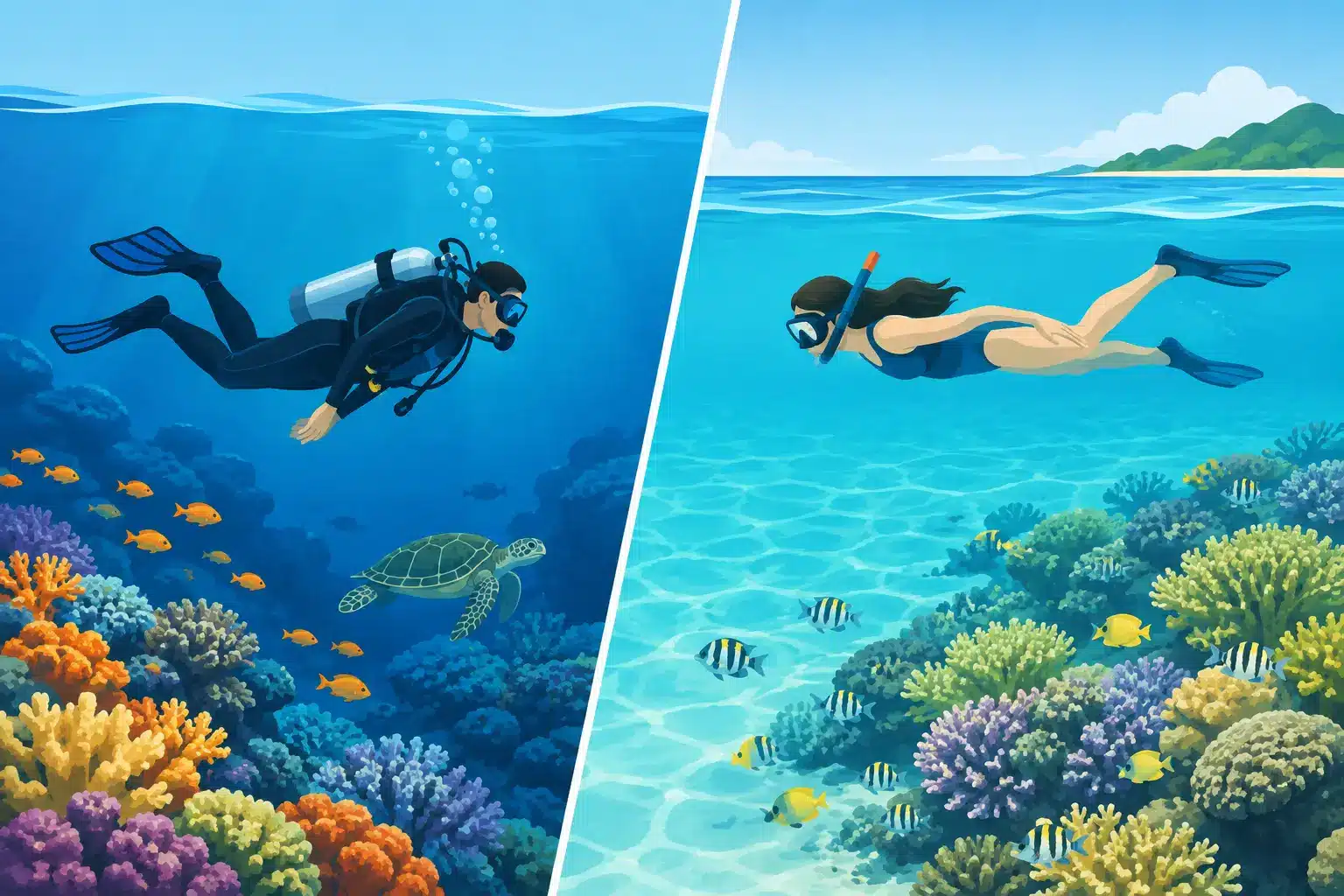
Snorkeling keeps you on the surface. You wear a mask, snorkel, and fins, then look down into clear water while breathing through the tube. It is accessible, quick to learn, and easy to fit into a beach day, catamaran trip, or island excursion.
Reef diving, usually scuba diving, takes you below the surface with a tank, regulator, buoyancy device, and trained guide or instructor. You can stay underwater longer and visit deeper reef formations that snorkelers cannot reach. It requires more equipment, more preparation, and closer attention to safety procedures, but it offers a more immersive view of the underwater world.
Neither is automatically better. Snorkeling often wins for convenience and group flexibility. Diving is the stronger choice for travelers who want depth, detail, and a more personal connection with the reef.
What You Can See at Each Depth
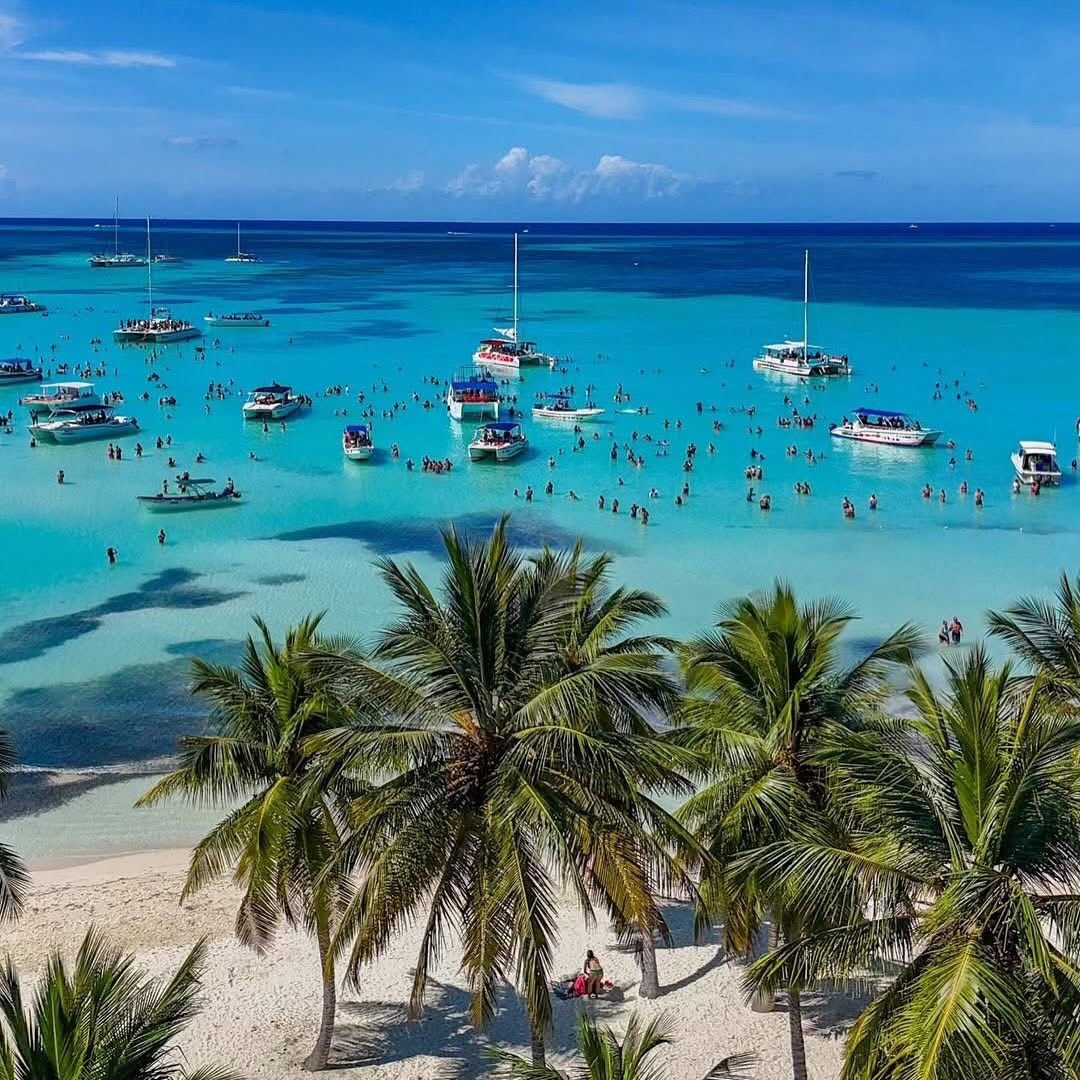
The biggest practical difference is perspective. From the surface, snorkelers may see schools of tropical fish, seagrass beds, shallow coral heads, rays, and occasional sea turtles. On a calm morning, the water around destinations such as Bayahibe, Saona Island, Catalina Island, and Punta Cana can make these sights surprisingly clear.
But surface conditions matter. Glare, wind, waves, and choppy water can reduce visibility even when the reef below is beautiful. A good snorkeling guide will choose protected areas and explain where to look, helping you get more from the experience without needing to swim far from the boat.
Scuba diving reveals more layers of the reef. Below the surface, colors sharpen, small creatures become easier to notice, and you can hover beside reef structures rather than looking down from above. Divers may encounter larger schools of fish, lobsters tucked into crevices, moray eels, sponges, reef walls, and, at selected sites, wrecks with their own marine ecosystems.
That extra access does not mean every dive delivers a dramatic animal encounter. Wildlife is never guaranteed. Visibility changes with weather, season, currents, and recent rainfall. The reward is the slower pace: you have time to observe, rather than just spot, the reef.
Choose Snorkeling for an Easy, Flexible Water Day
Snorkeling is often the better fit for first-time Caribbean visitors, families with older children, mixed-age groups, and travelers who want to combine several experiences in one day. You do not need a certification, and most organized excursions provide basic equipment and a safety briefing.
It is also a smart choice if you are short on time. A snorkeling stop can fit comfortably into a half-day cruise, beach outing, or island tour, leaving room for lunch, swimming, photos, and relaxing on shore. If someone in your group prefers to stay on the boat or enjoy the beach, they can still be part of the day.
Snorkeling has a gentler learning curve, but it still asks for basic water comfort. You should be able to remain calm with your face in the water and follow instructions on using the mask and snorkel. Life vests are commonly available and can make the experience more relaxed for less confident swimmers.
For couples looking for a carefree excursion or families who want a shared activity without a long training session, snorkeling is hard to beat. It is colorful, social, and easy to book around the rest of a resort vacation.
When Snorkeling May Not Feel Like Enough
Some travelers finish a snorkeling trip wishing they could have gotten closer. If you are fascinated by marine life, comfortable in open water, and willing to dedicate more time to the activity, scuba may be worth the step up. Snorkeling shows you the reef’s panorama. Diving places you inside it.
Choose Reef Diving for a Closer Underwater Experience
Reef diving is designed for travelers who want to spend meaningful time beneath the waves. Certified divers can usually join guided boat dives based on their experience level, while beginners may be able to book a supervised introductory session with an instructor. A beginner program is not the same as full certification, but it can be an excellent first look at scuba in controlled conditions.
The appeal is immediate once you descend. The sound of the boat fades, your movements slow down, and the reef becomes a three-dimensional landscape. Instead of watching fish flash beneath you, you may find yourself gliding alongside them. That sense of calm and closeness is why many visitors choose diving as the highlight of their Dominican Republic trip.
Diving also suits travelers who have already snorkeled in the Caribbean and want a new challenge. If you are visiting Bayahibe or La Romana, for example, offshore reefs and nearby dive sites can offer a very different experience from a typical shallow-water stop.
Still, scuba is not something to book casually just because it looks exciting in photos. You need to be honest about your comfort level, disclose relevant medical conditions, and listen closely to your instructor. A professional operator will review equipment, hand signals, breathing techniques, equalizing pressure, and what to do if you feel uncomfortable underwater.
Certification, Introductory Dives, and Experience Levels
If you are certified, bring proof of certification and be clear about how recently you last dived. If it has been a while, a refresher may be recommended. This is not a setback. It is a sensible way to rebuild comfort before heading to a deeper or more current-prone site.
If you are not certified, look for an introductory scuba experience led by a qualified instructor. These sessions generally begin with instruction in shallow water before moving to a suitable reef area. Ask about the maximum depth, instructor-to-guest ratio, total water time, and whether transportation and equipment are included.
Travelers with asthma, heart conditions, recent surgery, ear issues, pregnancy, or other medical concerns should seek appropriate medical advice before booking. Flying after diving also requires planning, so schedule your dive early enough in your vacation rather than the day before departure.
Cost, Time, and Planning Differences
Snorkeling is usually the more budget-friendly option because it needs less specialized equipment and less instruction. It is also easier to arrange last minute, particularly when it is part of a larger boat or island excursion.
Diving typically costs more, reflecting equipment, fuel, air tanks, instructors or guides, smaller group sizes, and additional safety requirements. The investment can be worthwhile when underwater exploration is a priority, but it may not make sense for someone who mainly wants a relaxed beach day.
Time is another factor. Snorkeling may require only a briefing and a short boat ride. A scuba experience can involve paperwork, equipment fitting, safety instruction, practice skills, and surface intervals between dives. Do not rush it. The best dive days leave room to move at a safe, unhurried pace.
Safety and Reef Respect Matter in Both Activities
Whether you snorkel or dive, choose an operator that prioritizes trained staff, maintained equipment, clear briefings, weather awareness, and appropriate group supervision. Competitive pricing matters, but the lowest price is not the only consideration when you are spending time on the water.
Once you reach the reef, keep your hands to yourself. Do not stand on coral, chase turtles, feed fish, or collect shells and marine life. Coral is living and easily damaged, even when it appears rock-hard. Good buoyancy while diving and careful fin control while snorkeling help protect the reef for the next visitors.
Use reef-conscious sun protection where possible, and wear a rash guard or cover-up to reduce the amount of sunscreen that enters the water. Small choices from every guest make a real difference in heavily visited coastal areas.
How to Make the Right Choice for Your Trip
Choose snorkeling if you want an easy shared activity, are traveling with a mixed group, have limited time, or prefer staying close to the surface. It is an excellent way to see tropical marine life without a certification course or a major commitment.
Choose reef diving if you are comfortable in the water, want to explore beyond shallow coral gardens, and are happy to spend extra time on training and preparation. It is especially rewarding for curious travelers who want a quieter, more detailed look beneath the Caribbean surface.
If you cannot decide, consider doing both on separate days. Start with snorkeling to get comfortable with the water and local conditions, then book an introductory or certified dive if you want more. JacTravel Group can help travelers match the right water activity with their resort location, schedule, and experience level.
The reef will still be there when you slow down, breathe, and look closely. Pick the experience that makes you feel excited, prepared, and free to enjoy every moment in the water.