10 Best Dominican Republic Eco Tours to Book
A catamaran crossing turquoise water is easy to picture. The better travel story is what happens when the boat slows near a protected mangrove, a guide points out a nesting bird, or you watch a humpback breach at a respectful distance. The best Dominican Republic eco tours pair that kind of access with experienced local guides, sensible group sizes, and a real respect for the places that make the country extraordinary.
The Dominican Republic is far more than beaches and all-inclusive resorts. From limestone caves and coastal lagoons to rainforest-covered peninsulas and dry southwestern shores, each region offers a different kind of nature experience. The right tour depends on where you are staying, how much travel time you want, and whether your idea of adventure involves wildlife, water, hiking, or simply a quiet day in a spectacular landscape.
What Makes an Eco Tour Worth Booking?
An eco tour should do more than use the word “eco” in its name. Look for guides who explain the habitat and local culture, operators who follow protected-area rules, and itineraries that avoid crowding wildlife. Boats should keep a safe distance from animals, trails should stay on established paths, and stops at local communities should feel respectful rather than staged.
There is always a trade-off. A popular island trip may use larger boats and have a more social atmosphere, while a smaller nature-focused outing can cost more or have limited departures. A remote reserve may require a long transfer, but the quieter scenery can be well worth an early start. Choose the experience that matches your vacation pace, then ask what is included, how long transportation takes, and what conservation guidelines the operator follows.
Best Dominican Republic Eco Tours by Experience
1. Los Haitises National Park from Samaná or Punta Cana
Los Haitises is one of the country’s most memorable nature escapes. Its coastline is defined by mangrove forests, small limestone islets, sea caves, and dramatic rock formations that rise above the water. Guides often explain the Taíno pictographs found in certain caves, while birdwatchers can look for pelicans, frigatebirds, egrets, and other coastal species.
From Samaná, the journey is generally shorter and makes an excellent half-day or full-day outing. From Punta Cana, it is a longer excursion, so it suits travelers who want to see a very different side of the Dominican Republic without changing hotels. Bring sun protection, a light rain layer, and a dry bag for your phone. The park is lush for a reason, and weather can change quickly.
2. Samaná Humpback Whale Watching
Every winter, thousands of North Atlantic humpback whales return to the warm waters off the Samaná Peninsula to breed and calve. Whale-watching season typically runs from January through March, although exact timing and sightings vary with conditions. When the whales are active, this is one of the Caribbean’s most powerful wildlife experiences.
Book a licensed excursion with a naturalist or trained guide, and expect the captain to follow viewing regulations rather than chase a close encounter. Whales are wild animals, so a breach is never guaranteed. That uncertainty is part of the experience. Even without dramatic leaps, seeing a tail rise and disappear into Samaná Bay can be unforgettable.
3. Saona Island and Cotubanamá National Park
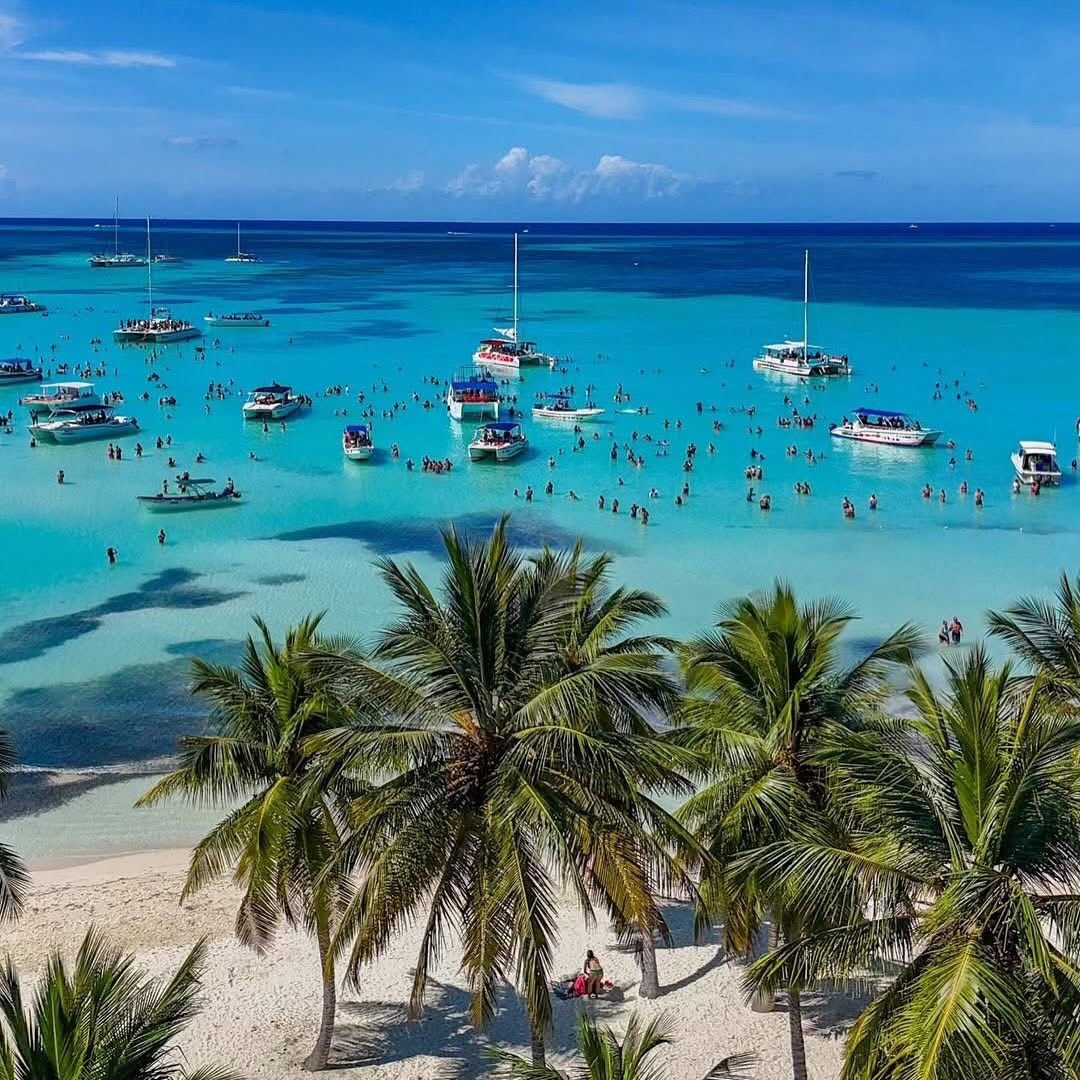
Saona Island is famous for bright sand, clear water, and postcard-ready palm trees, but it also sits within Cotubanamá National Park, a protected area with important marine and coastal habitats. The best version of a Saona day trip balances fun with thoughtful stops: time on the beach, a swim in shallow natural pools, and an itinerary that does not disturb wildlife or damage coral.
This is an especially convenient option for travelers based in Bayahibe, La Romana, and Punta Cana. Standard group trips are lively and social, while smaller boat charters can offer more flexibility and a quieter pace. Avoid touching starfish if you see them in shallow water, and never remove shells or coral as souvenirs. Leave the beach as beautiful as you found it.
4. Indigenous Eyes Ecological Reserve in Punta Cana
For travelers who want nature without committing to a full-day transfer, the Indigenous Eyes Ecological Reserve offers an easy change of scenery from the resort zone. This protected area features a network of freshwater lagoons, tropical vegetation, and walking trails beneath the shade of native trees. Several lagoons are suitable for swimming, making the visit refreshing as well as scenic.
It is a strong choice for families, couples, and anyone arriving in Punta Cana with limited time. The pace is gentler than an ATV ride or offshore excursion, but that is precisely the appeal. Wear comfortable walking shoes, bring biodegradable sunscreen, and plan to move slowly enough to notice the birds, plants, and water colors along the trail.
5. Bayahibe Reef Snorkeling and Responsible Diving
Bayahibe is a standout base for travelers who want to experience the Dominican Republic underwater. Nearby reefs and clear Caribbean conditions create opportunities for snorkeling and scuba diving, with sightings that may include tropical fish, rays, sea fans, and coral formations. Some outings also visit the area’s celebrated wrecks, depending on certification and sea conditions.
A responsible marine excursion should emphasize buoyancy control, reef-safe behavior, and a strict no-touch policy. Beginners may prefer a guided snorkel trip or introductory dive, while certified divers can seek smaller groups and sites suited to their experience. The sea is not a theme park, and choosing an operator that treats it with care makes a visible difference.
6. Laguna Limón and Miches Nature Experiences
Miches has become a favorite for travelers looking beyond the busiest resort corridors. Around Laguna Limón, wetlands, birdlife, coconut groves, and rural landscapes create a more relaxed eco-adventure. Depending on the tour, you may explore by boat, take a guided nature walk, or combine the lagoon with a visit to nearby beaches and local communities.
This region is ideal if you enjoy photography and quieter scenery more than packed activity schedules. It can be a longer drive from Punta Cana, so check pickup times before reserving. For many visitors, that extra distance is exactly what makes Miches feel special.
7. El Limón Waterfall Adventure in Samaná
A journey to El Limón Waterfall replaces the beach with a green, mountain-fed landscape. Reaching the falls often involves a guided hike or horseback ride through rural terrain, followed by time near the waterfall and its cool natural pool. Conditions can be muddy, especially after rain, so this is a better fit for travelers comfortable with uneven ground.
Choose horseback riding only if the operator shows clear care for the animals and provides appropriate guidance. Hiking can be the more rewarding option for active travelers who want to take in the surroundings at their own pace. Either way, closed-toe water-friendly shoes make the day far easier.
8. Bahía de las Águilas and Pedernales Coast
For a true off-the-beaten-path coastal escape, Bahía de las Águilas near Pedernales delivers wide-open scenery that feels far removed from the major resort centers. Its long, undeveloped beach, clear water, and dry coastal landscape make it one of the Dominican Republic’s most striking natural settings. The journey is long from Punta Cana or Santo Domingo, so it works best as part of a multi-day southwest itinerary.
This is not the place to expect nonstop amenities or a party-style beach club. It is for travelers who value space, scenery, and the rare feeling of being somewhere genuinely remote. Pack water, sun protection, and patience for the road. The reward is a coast that still feels wonderfully wild.
How to Book an Eco Tour With Confidence
Start with your location. Punta Cana guests may want Indigenous Eyes, Saona, or a full-day Los Haitises experience, while Samaná visitors are perfectly positioned for whale watching, El Limón, and the national park. Bayahibe and La Romana are the practical starting points for Saona and reef activities. If your schedule includes multiple regions, build tours around transfer days rather than racing across the island.
Before booking, confirm hotel pickup, total duration, meals, equipment, park fees, language, and cancellation terms. Ask whether snorkeling gear, life jackets, or hiking footwear are provided. Families should also confirm age limits, swimming requirements, and the amount of walking involved. A tour described as “easy” can still include boat steps, slippery paths, or several hours in the sun.
JacTravel Group makes it easier to compare Dominican Republic experiences across major destinations, whether you are planning a wildlife-focused day, a coastal adventure, or a more relaxed nature outing. Choose available dates early for seasonal activities such as whale watching, and use flexible cancellation options when offered if your plans may change.
Travel Light, Leave Less Behind
Your choices on the day matter. Carry a reusable water bottle, use reef-conscious sunscreen when swimming, keep snacks and packaging secured, and follow your guide’s instructions around animals and protected areas. Do not feed wildlife, stand on coral, or collect natural items from beaches and trails.
The Dominican Republic rewards travelers who look beyond the resort gate. Reserve the tour that fits your pace, arrive curious, and give the landscape the same care it gives your vacation memories.