Can Beginners Try Scuba Diving? Start Here
The first time you breathe underwater, the biggest surprise is not the fish or the coral. It is realizing that a few calm breaths can turn a completely unfamiliar world into an unforgettable vacation memory. So, can beginners try scuba diving? Absolutely. Many first-time visitors to the Dominican Republic take a professionally guided introductory dive with no previous certification required.
The right experience is designed for people who have never worn a mask, adjusted a regulator, or descended below the surface. You will receive instruction, use provided equipment, and stay with a trained dive professional throughout the activity. The goal is not to turn you into an expert in one afternoon. It is to give you a safe, exciting first look at the Caribbean underwater world.
Can Beginners Try Scuba Diving Without Certification?
Yes, beginners can often participate in an introductory scuba experience, sometimes called a discover scuba session or resort dive. This is different from a full scuba certification course. A certification course teaches a broader set of skills over multiple sessions and qualifies you to dive independently with a buddy within the limits of your training.
An introductory experience is more guided and more limited. Before entering the water, your instructor explains the equipment, breathing techniques, equalizing pressure in your ears, hand signals, and the basic rules that keep everyone safe. You will usually practice a few simple skills in shallow water before moving into a calm, supervised ocean area.
For many vacationers, that is exactly the right balance. You get the thrill of seeing marine life below the surface without committing several days of your trip to a certification program. If you love it, the session can also help you decide whether earning your certification later is worth it.
What a First Scuba Experience Usually Feels Like
Most beginners are nervous about breathing through a regulator. That reaction is normal. On the surface, it can feel strange at first because you are used to breathing through your nose. Once your face is in the water and you slow down, the process becomes much more natural. Your instructor will ask you to take steady, relaxed breaths and will stay close enough to assist at every stage.
The early minutes are about getting comfortable, not rushing down. You may kneel or float in shallow water while practicing clearing water from your mask, recovering your regulator, and communicating with hand signals. These skills are simple, but they build confidence because they show you what to do if something feels unfamiliar.
When it is time to descend, you will go slowly. Pressure changes can create a feeling in the ears similar to landing in an airplane. Equalizing early and often usually solves it. If your ears do not clear comfortably, you should signal your guide and pause or return to a shallower depth. A good dive is never about pushing through discomfort.
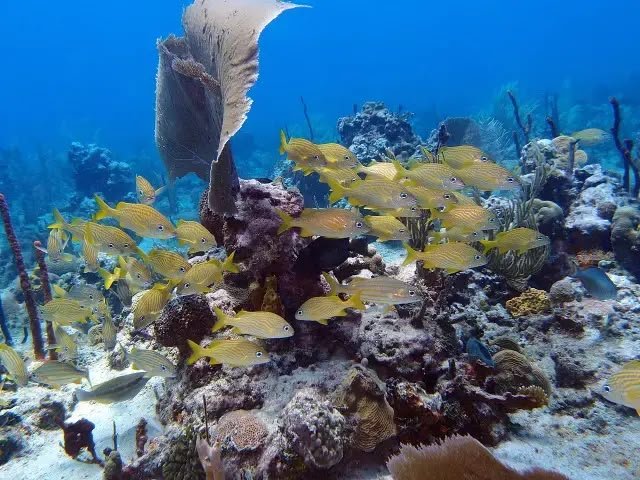
Below the surface, expect a quieter, slower kind of adventure. Caribbean conditions can offer warm water, bright visibility, and colorful reef life, though the exact experience depends on the day’s weather, currents, and location. You may spot schools of tropical fish, sea fans, coral formations, rays, or other marine creatures. No operator can promise a specific wildlife sighting, but every reef has its own character.
Do You Need to Be a Strong Swimmer?
You do not need to be a competitive swimmer to try beginner scuba diving, but you do need to be comfortable in the water. You should be able to stay calm while wearing a mask, move with fins, and follow your instructor’s directions. Many introductory programs use flotation equipment and keep groups in carefully selected areas, so you are not expected to swim long distances on your own.
That said, an honest self-assessment matters. If deep water causes panic, start with snorkeling or a shallow-water introduction before booking an open-water scuba session. Snorkeling lets you get used to a mask, fins, and being in the ocean while keeping your face close to the surface. It can be a smart first step for nervous travelers, children, or anyone who wants to build confidence gradually.
Who Should Wait Before Trying Scuba?
Scuba diving is exciting, but it is not right for every traveler on every day of the trip. Reputable operators use health questionnaires and may ask you to obtain medical clearance if you have certain conditions. Be straightforward when completing these forms. They exist to protect you, not to make booking more difficult.
You should speak with a medical professional before diving if you have heart or lung conditions, asthma that is not well controlled, a history of seizures, recent surgery, chronic ear or sinus issues, or any condition that could affect you underwater. Pregnancy is generally considered a reason to postpone scuba diving. A cold, congestion, or sinus pressure can also make equalizing uncomfortable, so it may be better to reschedule rather than force the experience.
Avoid alcohol before your dive, drink plenty of water, and get a decent night’s sleep. Caribbean vacations can be full of late dinners and nightlife, but your first scuba experience is best enjoyed when you are rested, hydrated, and focused.
Choosing the Right Beginner Scuba Trip in the Dominican Republic
Not all first dives are identical. The best choice depends on where you are staying, your comfort level, and how much time you have. Travelers in Punta Cana, Bayahibe, La Romana, Puerto Plata, and Samaná can find different coastal conditions and underwater settings, from calm reef areas to boat-based excursions.
Ask what the beginner session includes before you reserve. A reliable experience should clearly explain whether equipment, instruction, transportation, boat travel, and park or marine fees are included. You should also know the approximate duration, the expected depth, the guide-to-guest ratio, and whether you will begin in shallow water.
For first-timers, a smaller group can feel more personal. It gives the instructor more time to check your equipment, answer questions, and help you settle into the experience. If you are traveling with a partner, family, or group of friends, ask whether non-divers can join as snorkelers or boat guests. That way, everyone can share the day even if only some people choose to go underwater.
Booking through a destination-focused provider such as JacTravel Group can simplify the practical side of planning, especially when you are coordinating resort pickup, a water activity, and other excursions during the same stay. Look for clear activity details, flexible cancellation terms, and customer support that can help if weather changes affect the schedule.
What to Bring and What to Leave Behind
Your operator normally provides the essential scuba gear: mask, fins, tank, buoyancy device, regulator, and weights. You may be offered a wetsuit or rash guard depending on conditions. Bring a swimsuit, towel, reef-safe sun protection for time above water, and a dry change of clothes for the ride back.
Leave valuables at your hotel whenever possible. If you wear contact lenses, tell the instructor before getting in the water. Most divers can use contacts comfortably, but it is useful for the team to know. If you are prone to motion sickness and your activity includes a boat ride, ask a pharmacist or doctor about options before your trip rather than waiting until you are already on the dock.
One timing rule deserves special attention: do not plan to fly shortly after scuba diving. Diving and air travel need to be spaced apart because of pressure changes. Follow the operator’s guidance carefully, and schedule your underwater activity well before your departure flight. This is one reason scuba is often best booked in the earlier part of a Dominican Republic vacation.
How to Get More Comfortable Before You Go
You do not need special training to enjoy a first scuba session, but a little preparation can make it feel easier. Practice floating and putting your face in water at your resort pool. Get used to exhaling slowly while your face is submerged. If you have snorkeled before, remember the relaxed breathing pattern and let that familiarity work in your favor.
On the day, tell your instructor you are new and share any worries you have. Afraid of your mask filling with water? Concerned about your ears? Unsure whether you will feel claustrophobic? These are common questions, and an experienced guide would rather know before the session starts. The more openly you communicate, the better they can pace the experience around you.
Do not compare your first dive with videos of advanced divers exploring wrecks or drifting along deep walls. Your first scuba experience should be about comfort, control, and curiosity. Even a shallow reef can feel extraordinary when it is the first place you have ever breathed underwater.
If the idea still makes your heart race, choose the most beginner-friendly option available and give yourself permission to take it one step at a time. The Caribbean will still be there, the reef will still be waiting, and your best first dive starts when you feel ready to enjoy it.