How to Plan a Samaná Whale Watching Trip
Every winter, thousands of humpback whales arrive in the warm waters off the Samaná Peninsula, turning an already beautiful Dominican Republic destination into one of the Caribbean’s most exciting wildlife experiences. To plan a Samaná whale watching trip well, focus on three things first: traveling during the right season, choosing an organized excursion with reliable logistics, and leaving enough room in your schedule to enjoy the day without rushing.
This is not an attraction built around a fixed showtime. These are wild whales following a seasonal migration route, often breaching, tail-slapping, and moving through the bay with calves beside them. That unpredictability is exactly what makes the experience memorable. A well-planned tour helps you enjoy it comfortably, safely, and with the best possible chance of an incredible sighting.
How to Plan a Samaná Whale Watching Trip
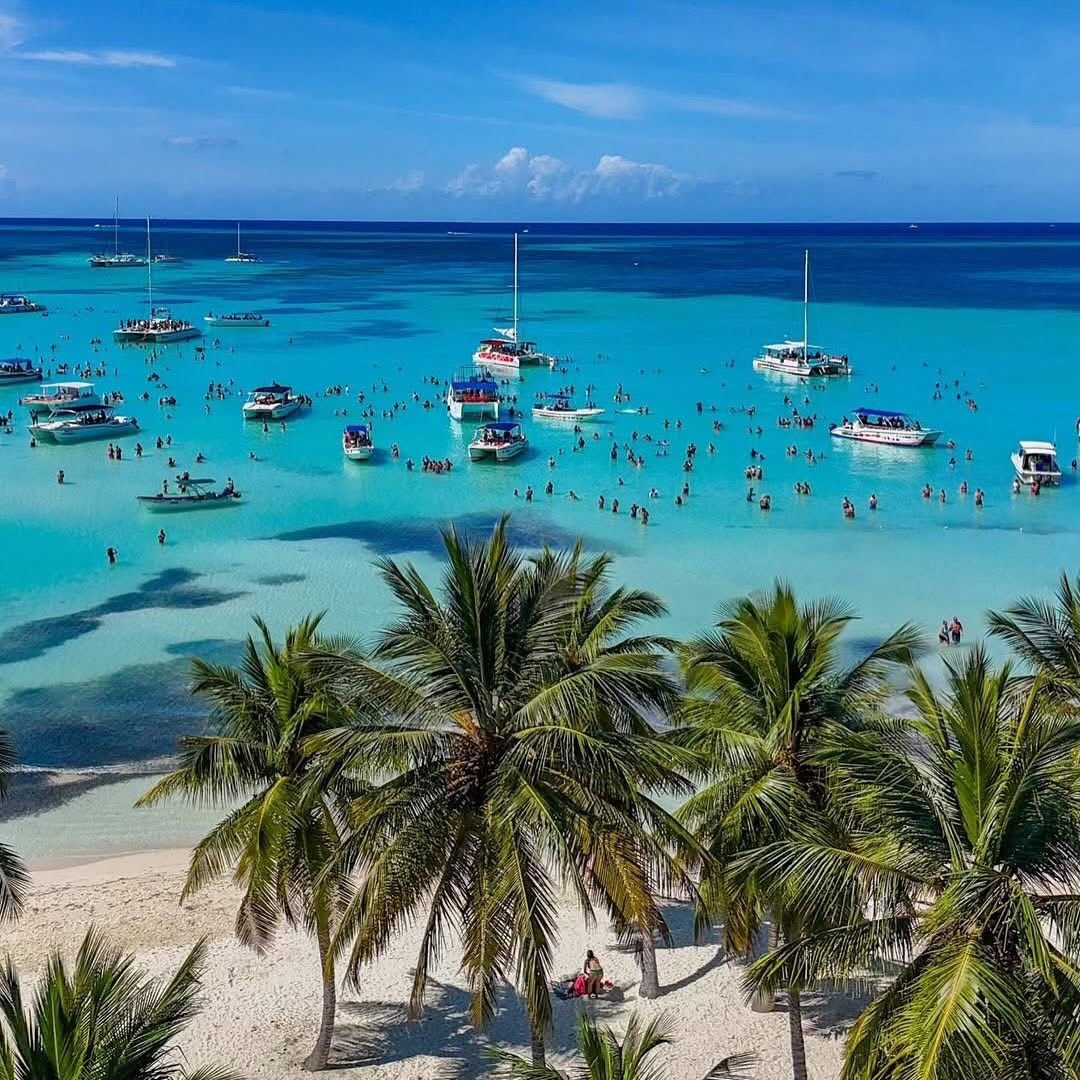
Samaná is on the northeast coast of the Dominican Republic, known for its green hills, coconut-lined beaches, waterfalls, and dramatic coastal scenery. From roughly mid-January through late March, its waters become a breeding and calving area for North Atlantic humpback whales.
Your first decision is timing. February is often the most popular month because whale activity is typically strong and many visitors are traveling during winter school breaks. January and March can also be excellent choices, with a little more flexibility in availability depending on your travel dates. Exact operating dates can vary each year based on marine regulations and conditions, so it is smart to confirm before building your full vacation itinerary around the excursion.
Morning departures are usually the best choice. Sea conditions are often calmer earlier in the day, the light is great for photos, and you still have the afternoon available for a beach lunch, a scenic drive, or time back at your resort. If you are traveling with children, an early trip also tends to be easier than keeping everyone energized for a later departure.
Choose the Best Departure Point for Your Vacation
Where you are staying matters as much as the whale watching boat itself. Travelers based in Samaná, Las Galeras, Las Terrenas, or nearby resorts have the easiest access to departure marinas. You can usually expect a more relaxed start, shorter transfers, and more time to enjoy the peninsula after your excursion.
Guests staying in Punta Cana, Bayahibe, La Romana, Santo Domingo, or Puerto Plata can still make the trip, but they should pay close attention to transportation time. A Samaná whale watching day trip from Punta Cana, for example, can involve several hours of road travel each way. It can be worth it for travelers who have whale watching at the top of their Dominican Republic wish list, especially when transportation is arranged as part of a complete excursion. Still, it is a long day, and it may not be the right fit for toddlers, guests with limited mobility, or anyone looking for a slow-paced vacation day.
If your itinerary allows, spending one or two nights in Samaná during whale season can change the experience completely. You can pair the cruise with Los Haitises National Park, El Limón Waterfall, Cayo Levantado, local restaurants, or a quiet beach afternoon. It becomes a destination stay rather than a single ambitious day trip.
Pick a Tour That Handles the Details
The best whale watching trips are led by experienced local crews who understand the permitted viewing areas, weather patterns, and respectful wildlife practices. Look for clear information about what is included: round-trip transportation if needed, boat time, guides, entrance fees where applicable, and any food or drinks offered during a longer day tour.
A quality operator should never promise that you will see a whale perform a specific behavior. Humpbacks are wild animals, and every outing is different. Some groups may be active at the surface, while others may be seen through a calm, powerful glimpse of a back, fin, or tail before they dive. Reputable crews focus on finding whales responsibly, maintaining appropriate distance, and giving guests a meaningful experience without crowding the animals.
Boat style is worth considering as well. A larger vessel can feel more stable and may offer shade, seating, and onboard facilities, making it a practical choice for families and travelers prone to motion sickness. Smaller boats can feel more intimate and closer to the action, but they may be bumpier when the sea is choppy. There is no single best choice. It depends on your comfort level, group size, and the type of day you want.
For a convenient, destination-focused booking experience, JacTravel Group can help travelers compare Samaná excursions and arrange the practical pieces that make a big difference, including transportation and last-minute availability when options remain open.
Reserve Early, Especially for February Travel
Whale watching season is short, and February dates can fill quickly around Presidents’ Day, school vacations, and peak resort weeks. Booking early gives you better choices for departure times and tour formats. It also gives you time to build a backup plan if weather conditions require a change.
Before confirming, review the cancellation terms and ask what happens if the excursion is canceled due to weather or sea conditions. A provider that communicates clearly about rescheduling, refunds, and support removes much of the uncertainty from a weather-dependent activity.
It is also wise to avoid scheduling whale watching on the morning before an international flight, a major transfer, or a tightly timed event. Conditions can shift, boats can return later than expected, and a great outing deserves a little breathing room.
What to Bring for a Comfortable Day on the Water
The Dominican sun can feel intense even during the winter whale season, particularly when it reflects off the water. Wear lightweight clothing, secure sunglasses, and a hat that will not blow away. Reef-conscious sunscreen is a thoughtful choice, but apply it before boarding whenever possible.
Bring a light cover-up or windbreaker, too. A warm resort morning can feel much cooler once the boat gets moving. If you are prone to motion sickness, take your preferred remedy before departure, not after the waves start. Keep water handy and avoid a heavy breakfast immediately before boarding.
For photos, a phone is enough for many travelers, especially if you bring a waterproof pouch or secure strap. A camera with a zoom lens can help capture distant breaches, but do not spend the entire trip looking through a screen. The strongest memories are often the moments when everyone on board goes quiet as a whale surfaces nearby.
You do not need to pack your entire beach bag. Space on boats can be limited, and dry bags are more useful than loose towels or extra belongings. Bring only what you can comfortably keep secure.
Make It Work for Families, Couples, and Groups
For families, explain the experience honestly before you go. Whale watching includes periods of scanning the water, traveling between sightings, and waiting for wildlife to appear. Older children often find that anticipation exciting, while younger children may need snacks, shade, and a few quiet activities for the ride. Choose a morning departure and a boat with comfortable seating if you want the smoothest family experience.
Couples often enjoy combining whale watching with a scenic Samaná overnight, a private transfer, or a beach stop afterward. The region feels more lush and laid-back than many larger resort areas, making it a strong choice for travelers who want nature and romance in the same getaway.
Groups should book together rather than assuming space will be available at the last minute. Confirm pickup locations, passenger names, and whether everyone is comfortable with the travel time involved. A coordinated plan means less time sorting out details and more time enjoying the view.
Respect the Whales and the Ocean
The most rewarding wildlife tours are built on respect. Keep your voice low when whales are near, follow crew instructions, never toss anything into the sea, and resist the temptation to treat the outing like a speedboat chase. The goal is observation, not interruption.
A responsible encounter also means accepting that nature sets the pace. You may witness a full breach that becomes the story of your vacation, or you may have a quieter encounter with a mother and calf moving gently through the bay. Both are real, rare, and worth the journey.
Leave one flexible day in your Dominican Republic itinerary for this experience if you can. When the conditions, timing, and migration line up, Samaná whale watching is the kind of travel memory that stays vivid long after the resort tan fades.