Whale Watching Samana Bay: Best Time to Go
If you are visiting the Dominican Republic between January and March, whale watching samana bay deserves a spot near the top of your list. This is not a maybe-if-there’s-time excursion. It is one of the country’s most remarkable seasonal experiences, with thousands of humpback whales arriving in the warm waters off Samaná to mate, give birth, and put on the kind of show that stays with you long after vacation ends.
The big question is not whether Samaná Bay is worth it. It is whether the timing, boat type, and departure point match the kind of day you want. For some travelers, this is a scenic wildlife outing with plenty of comfort built in. For others, it is a bucket-list marine encounter where the thrill comes from being out on open water waiting for that first breach.
Why whale watching Samana Bay is so special
Every winter, humpback whales migrate from the North Atlantic to the protected waters around the Samaná Peninsula and Silver Bank. Samaná Bay becomes one of the best places in the Caribbean to see them up close, especially for travelers who want a guided excursion that can be done in a day.
What makes this area stand out is the combination of whale activity and accessibility. You do not need to be a marine biologist or an expedition traveler to enjoy it. You can be staying in Punta Cana, Bayahibe, Puerto Plata, or in Samaná itself and still book a structured tour with transportation, a licensed boat, and guides who know how to read the water.
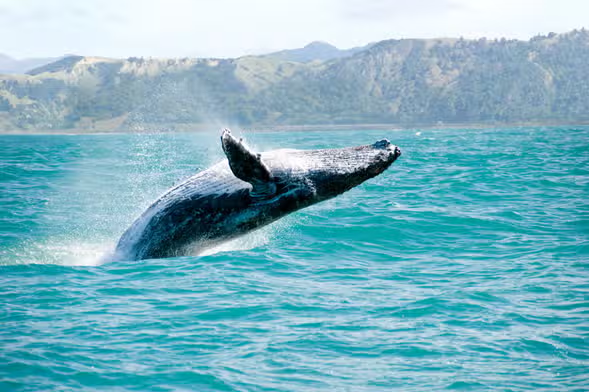
And the experience feels different from a typical boat trip. There is a shared anticipation on board. People quiet down, scan the horizon, and then suddenly everyone is pointing in the same direction. A tail rises. A calf surfaces beside its mother. A full breach sends spray into the air. It is dramatic, but it is also peaceful in a way that surprises people.
Best time for whale watching Samana Bay
The season usually runs from mid-January through late March, with February often seen as the prime month. That said, wildlife does not work on a fixed schedule. Some days are more active than others, and sea conditions can affect visibility and comfort.
If your travel dates are flexible, February gives you the strongest chance of frequent sightings. You are in the heart of the migration, and operators are fully running their seasonal schedules. January can also be excellent, especially later in the month, while March still offers strong opportunities but may be a bit less predictable as the season winds down.
Morning departures are often the better choice. Waters tend to be calmer earlier in the day, and that can make the ride more comfortable, especially for families and anyone prone to motion sickness. Afternoon tours are possible in some cases, but conditions can be rougher depending on weather and wind.
What to expect on the tour
Most whale watching excursions in Samaná Bay are half-day or full-day experiences. If you are based in Samaná, the day is usually more straightforward. If you are coming from another resort area, your tour may include early pickup, ground transportation, and then a boat departure once you reach the peninsula.
The boat ride itself is part of the adventure. Some tours use larger vessels with more seating and stability. Others use smaller boats that can feel more intimate and closer to the action, though they may be less ideal for anyone wanting extra comfort.
Once on the water, the pace depends on whale movement. A good captain and guide are watching for blows, tail slaps, and changes on the surface. Sometimes sightings happen quickly. Sometimes there is a stretch of searching before the reward arrives. That uncertainty is part of the real wildlife experience, and it is also why reputable tours focus on respectful observation rather than making exaggerated promises.
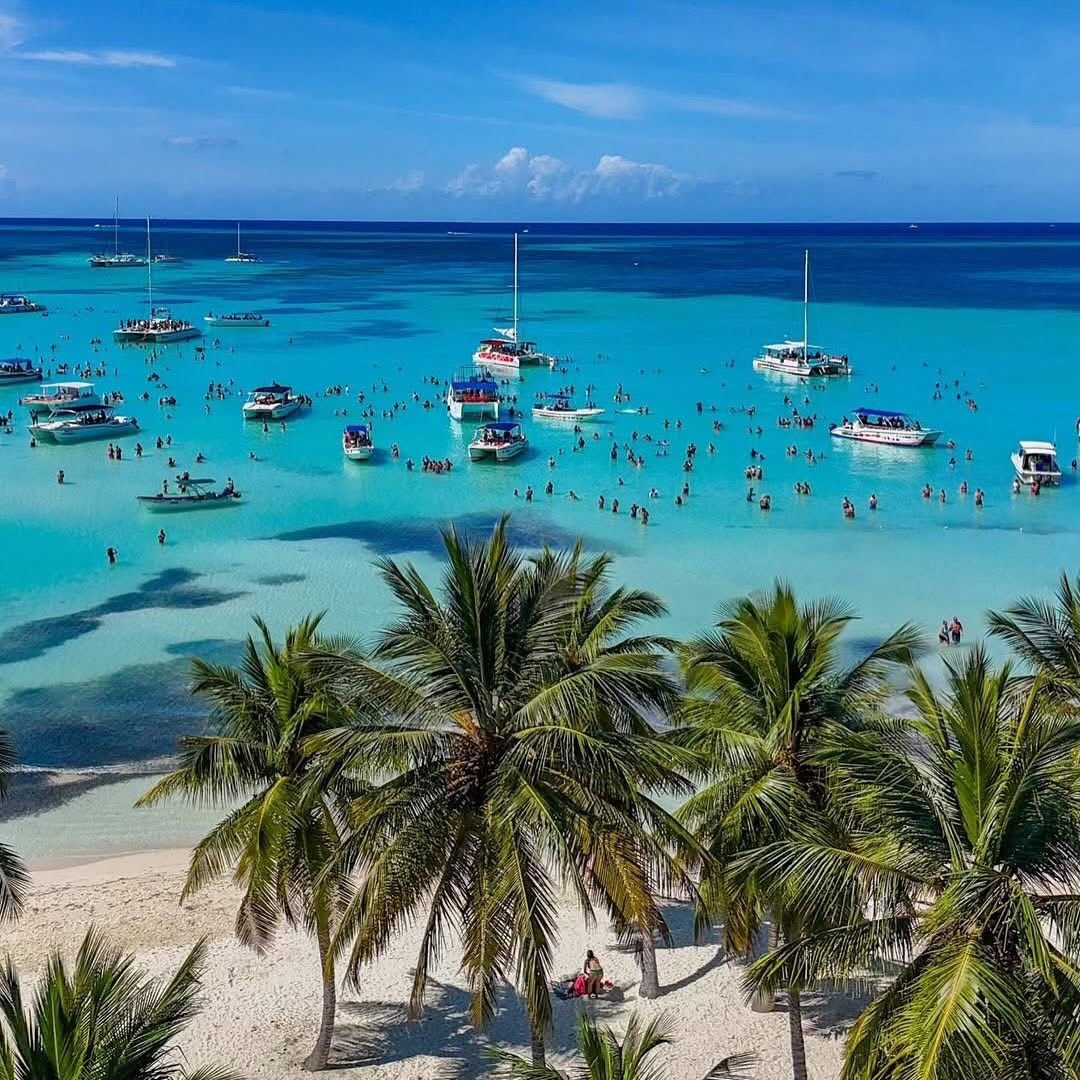
Many excursions also pair whale watching with a stop at Cayo Levantado, often called Bacardi Island. That combination appeals to travelers who want more than time on a boat. You get the excitement of marine wildlife and then a chance to relax on a postcard-worthy beach with lunch and time to enjoy the island atmosphere.
Choosing the right whale watching trip
Not every traveler wants the same kind of day, so the best tour depends on your priorities. If convenience matters most, a package that includes hotel pickup, transfers, and clear scheduling can save a lot of stress. That is especially helpful if you are staying far from Samaná and do not want to manage connections on your own.
If you are traveling with kids or older relatives, comfort should move higher on the list. Look for tours that mention stable boats, organized boarding, and realistic tour duration. A shorter, smoother outing can be a better choice than a longer trip that sounds exciting on paper but feels exhausting in practice.
Couples and adventure-focused travelers might lean toward tours that combine whale watching with island time or a broader Samaná day trip. That gives the experience more variety and turns it into a full vacation highlight instead of a single-activity excursion.
Price matters too, but it should not be the only factor. The cheapest option is not always the best value if it cuts corners on transportation, safety, guide quality, or customer support. With seasonal activities like this, reliable coordination and clear communication make a real difference. Booking through a trusted destination specialist such as JacTravel Group can be a smart move if you want competitive pricing without giving up support, flexibility, and peace of mind.
What you should bring
This is one of those excursions where packing light is good, but packing smart is better. Sunscreen, sunglasses, a hat, and a light cover-up go a long way under the Caribbean sun. Even on a breezy morning, the reflection off the water can be intense.
A phone or camera is worth bringing, but expectations matter. Whale watching photos can be amazing, yet they also require patience and timing. If you miss the perfect breach shot, that does not mean you missed the moment. Many travelers end up remembering the sound of the blow or the size of the tail more vividly than anything they captured on screen.
If you are sensitive to motion, take seasickness medication in advance rather than waiting to see how you feel. That small decision can completely change your day. Soft-soled shoes, a reusable water bottle if allowed, and cash for small extras or tips can also be useful.
Safety, ethics, and realistic expectations
A good whale watching experience should feel exciting and well managed. Licensed operators follow seasonal rules designed to protect the whales and passengers alike. That means captains should keep respectful distances, avoid aggressive maneuvers, and coordinate with authorities when required.
This matters for two reasons. First, the whales are here for breeding and calving, so responsible viewing protects the very experience travelers come to see. Second, ethical operations usually create a better excursion overall. The atmosphere is calmer, the guides are more informed, and the day feels more professional from start to finish.
It is also worth saying clearly that this is wildlife, not a marine theme park. Sightings are common during peak season, but behavior varies. Some days whales breach repeatedly. Other days you may see mostly spouts, backs, and tails. That does not make the trip a disappointment. For many people, simply being in one of the region’s great migration zones is the draw.
Is it worth it from Punta Cana or other resort areas?
Yes, for many travelers it is. The deciding factor is your tolerance for travel time. From Punta Cana and Bayahibe, this can be a long day, often with early departures and several hours of transport. If you want an easy, sleep-in-and-stroll type of vacation day, this may not be your best fit.
But if you are looking for one signature experience to break up your resort stay, it can absolutely be worth the effort. Whale watching in Samaná Bay offers something very different from pool time, catamarans, or standard sightseeing. It feels rare and seasonal, which gives it more weight in your trip memories.
Travelers already staying in Samaná have the advantage of shorter transfers and a more relaxed schedule. That usually means more time focused on the experience itself and less time getting there.
Who will enjoy this most
This excursion tends to work especially well for nature lovers, couples, families with older children, and anyone who wants a standout Dominican Republic memory beyond the resort. It is also a strong choice for repeat visitors who have already done the usual beach and boat tours and want something with a stronger sense of place.
The only real caution is for travelers who strongly dislike early mornings, long transfer days, or choppy water. For them, a shorter local excursion may be a better fit. The best travel choices are not about booking the most famous activity. They are about booking the experience that matches how you actually like to travel.
Samaná Bay delivers one of those rare vacation moments that feels bigger than the itinerary around it. When a humpback rises out of the water and crashes back into the bay, the crowd goes quiet for a second before the cheers start – and that is usually when people realize they made the right call.